

Reasons Why Some Hearing Aids Produce Whistling Sound
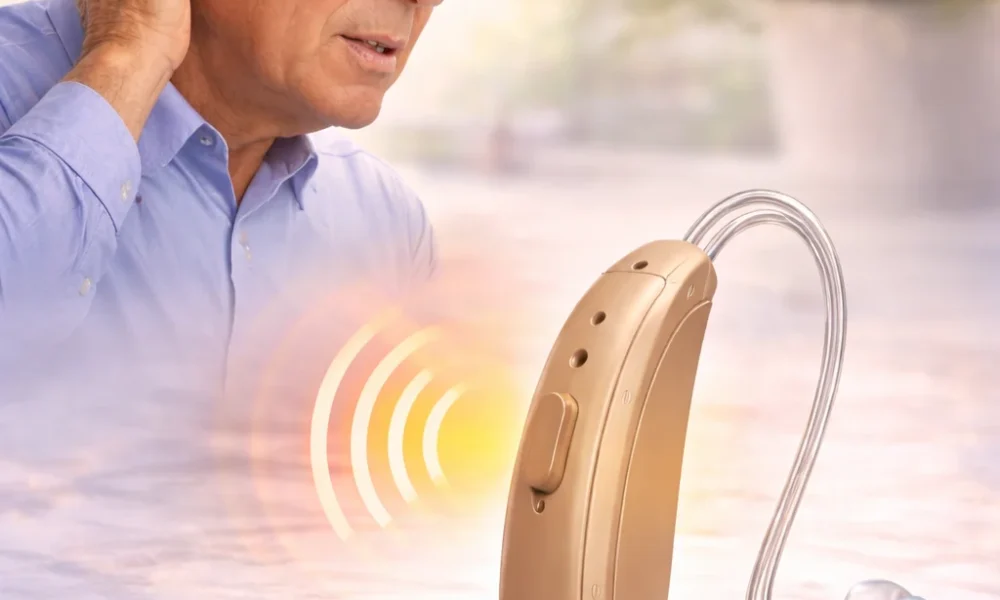
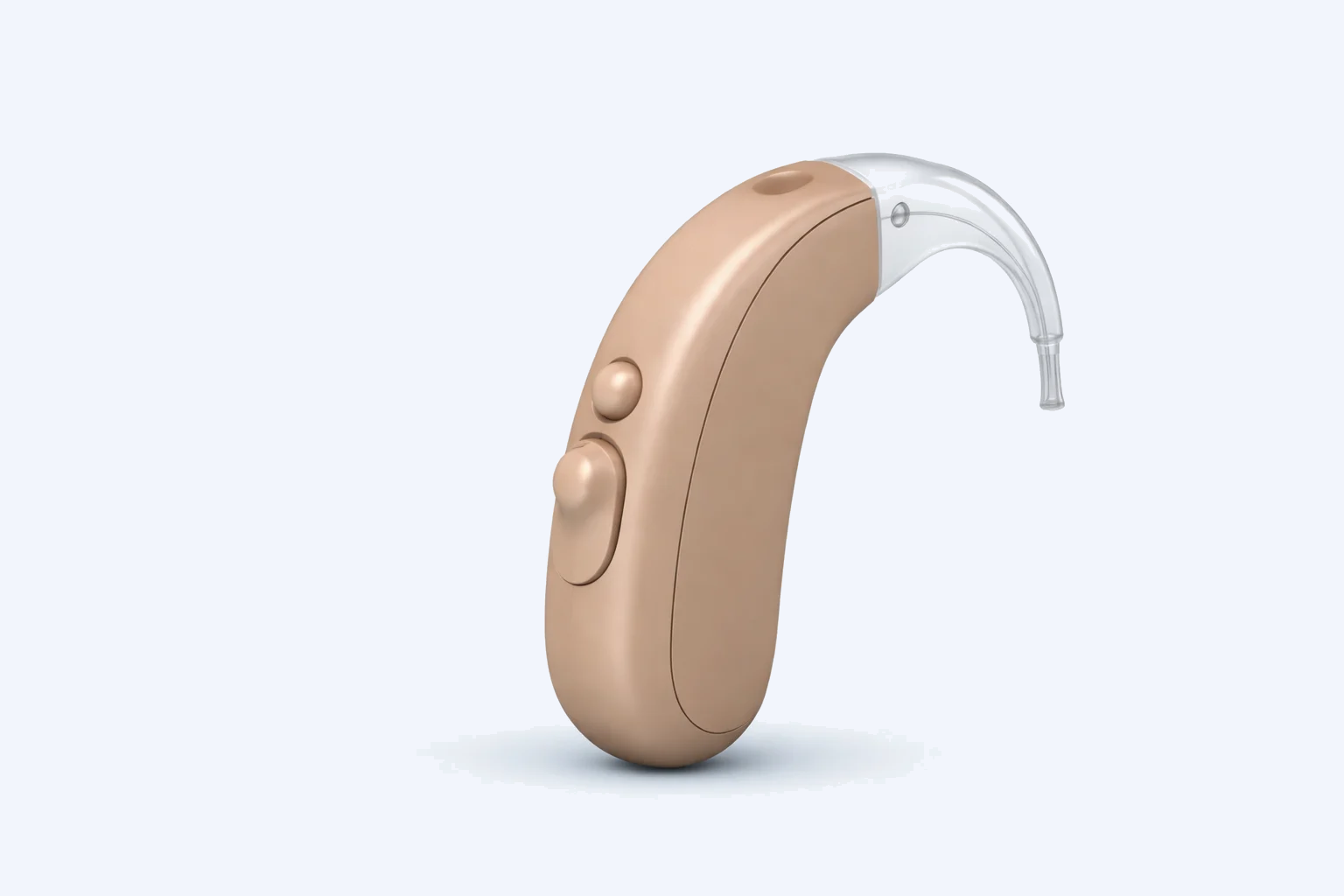
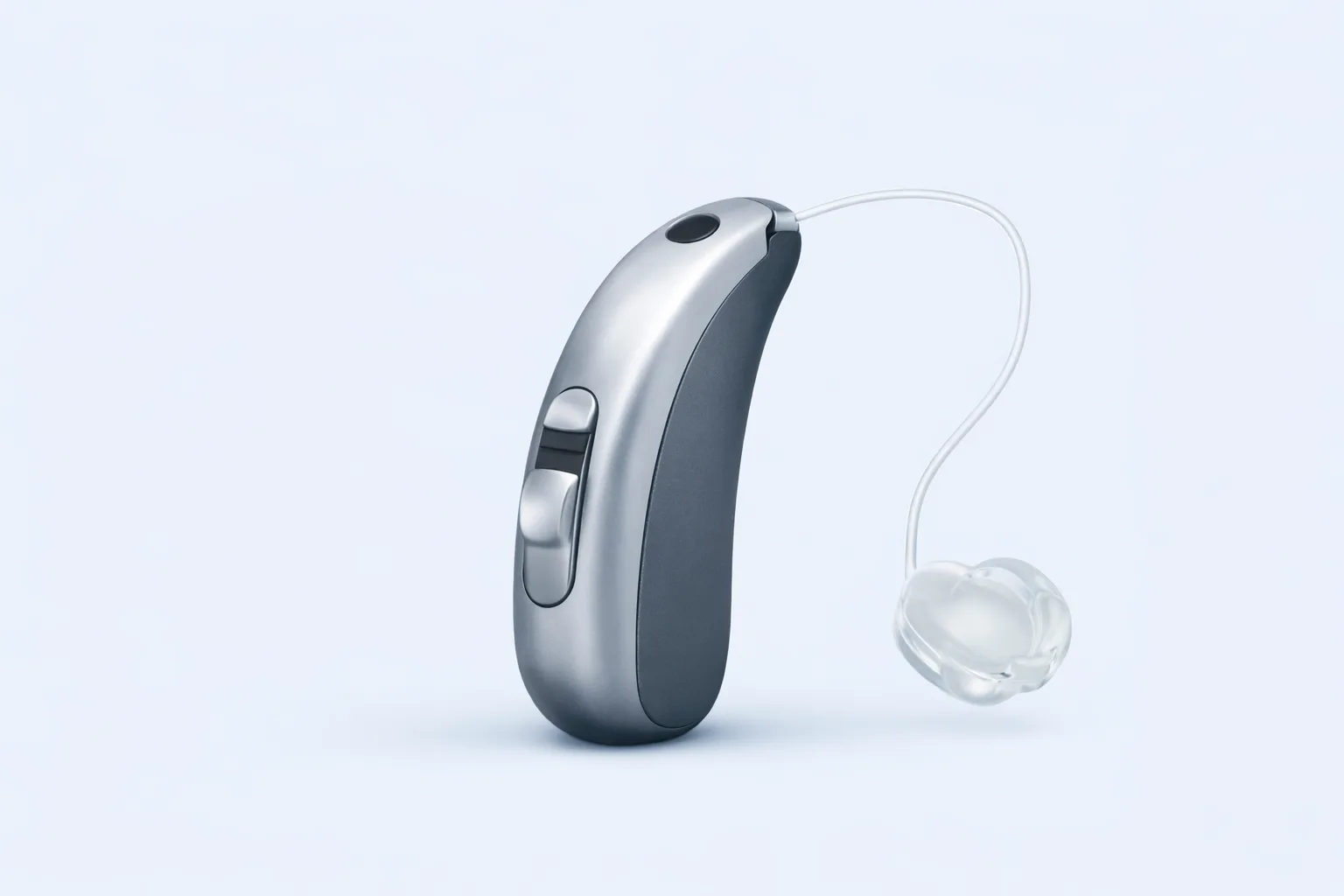
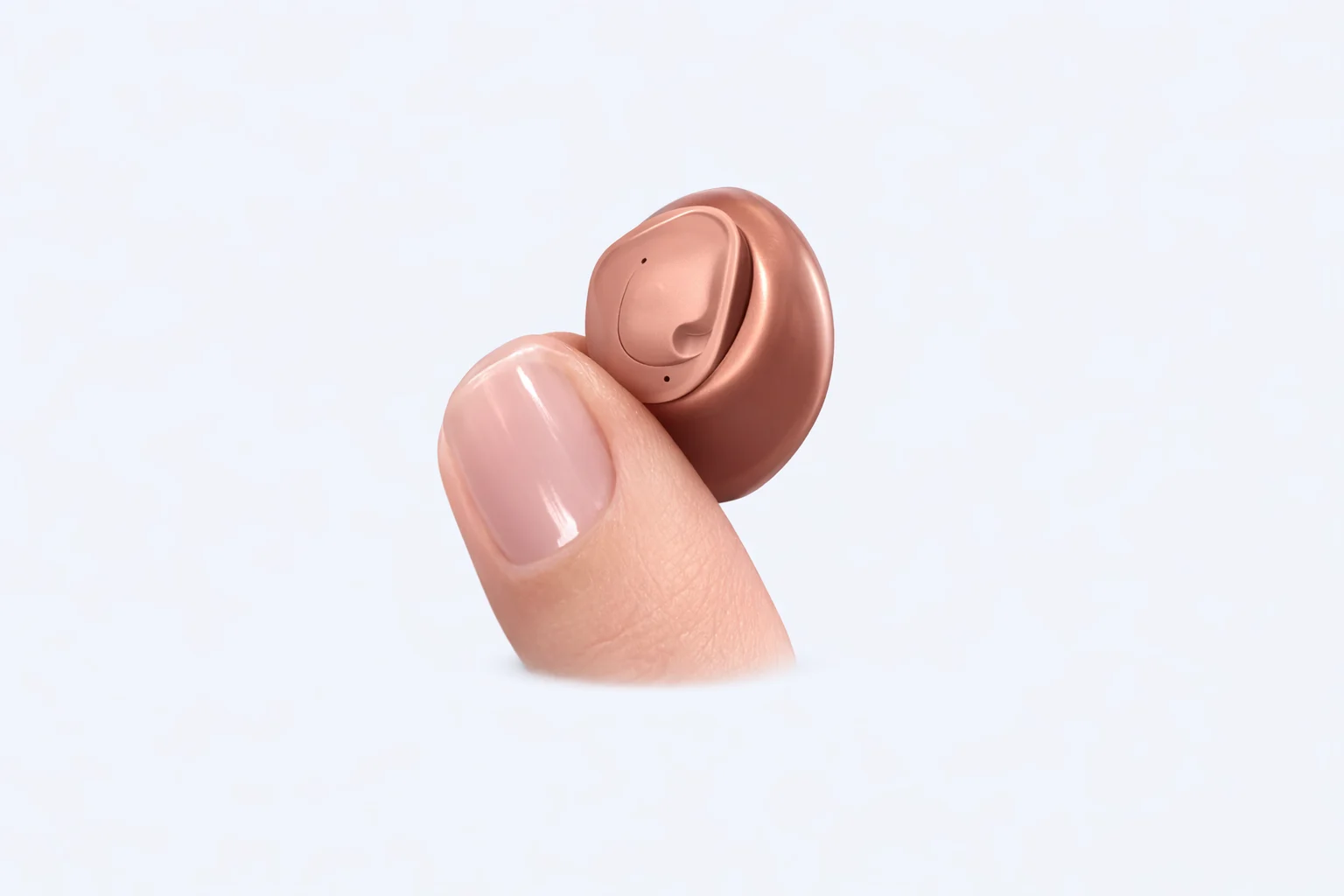
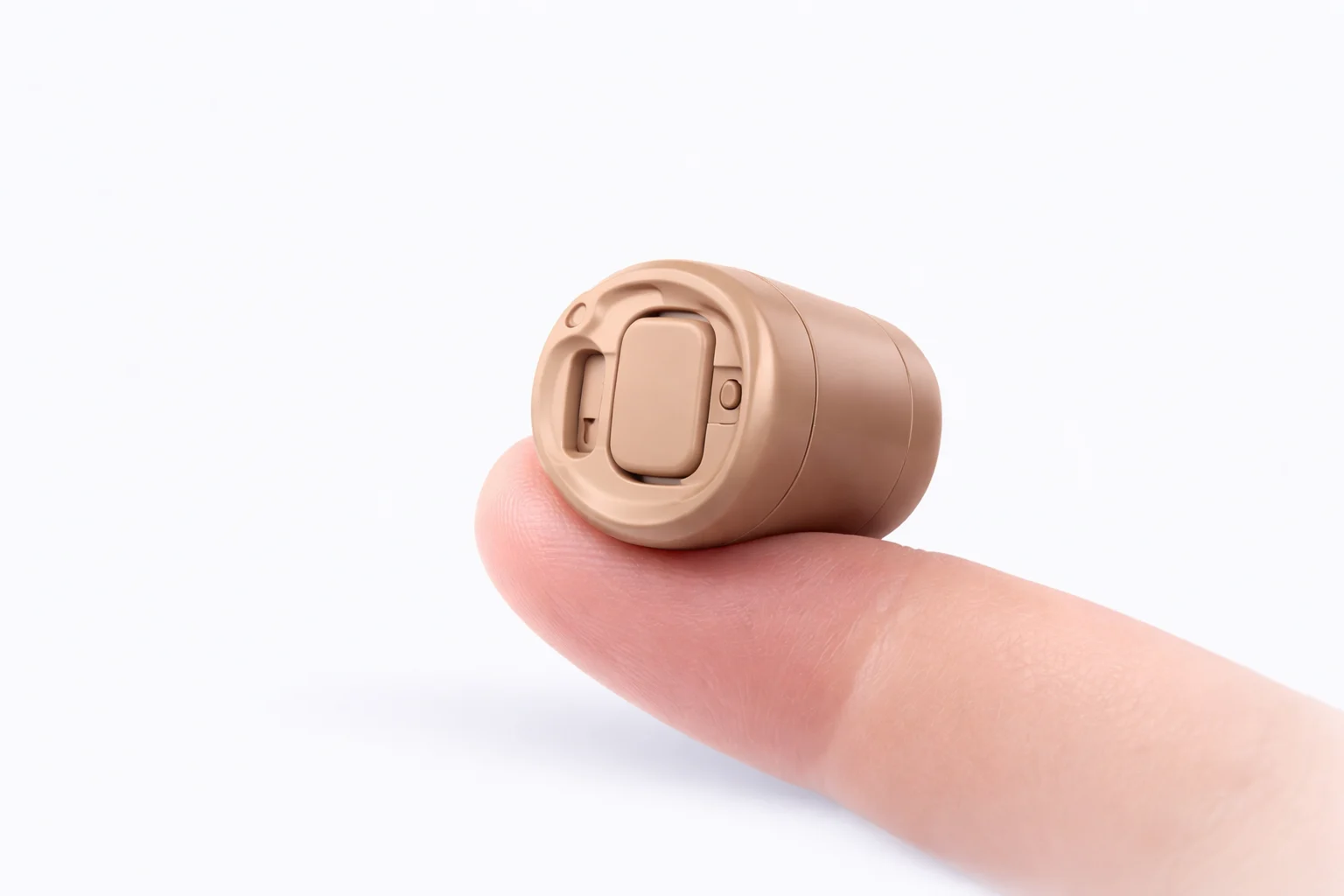
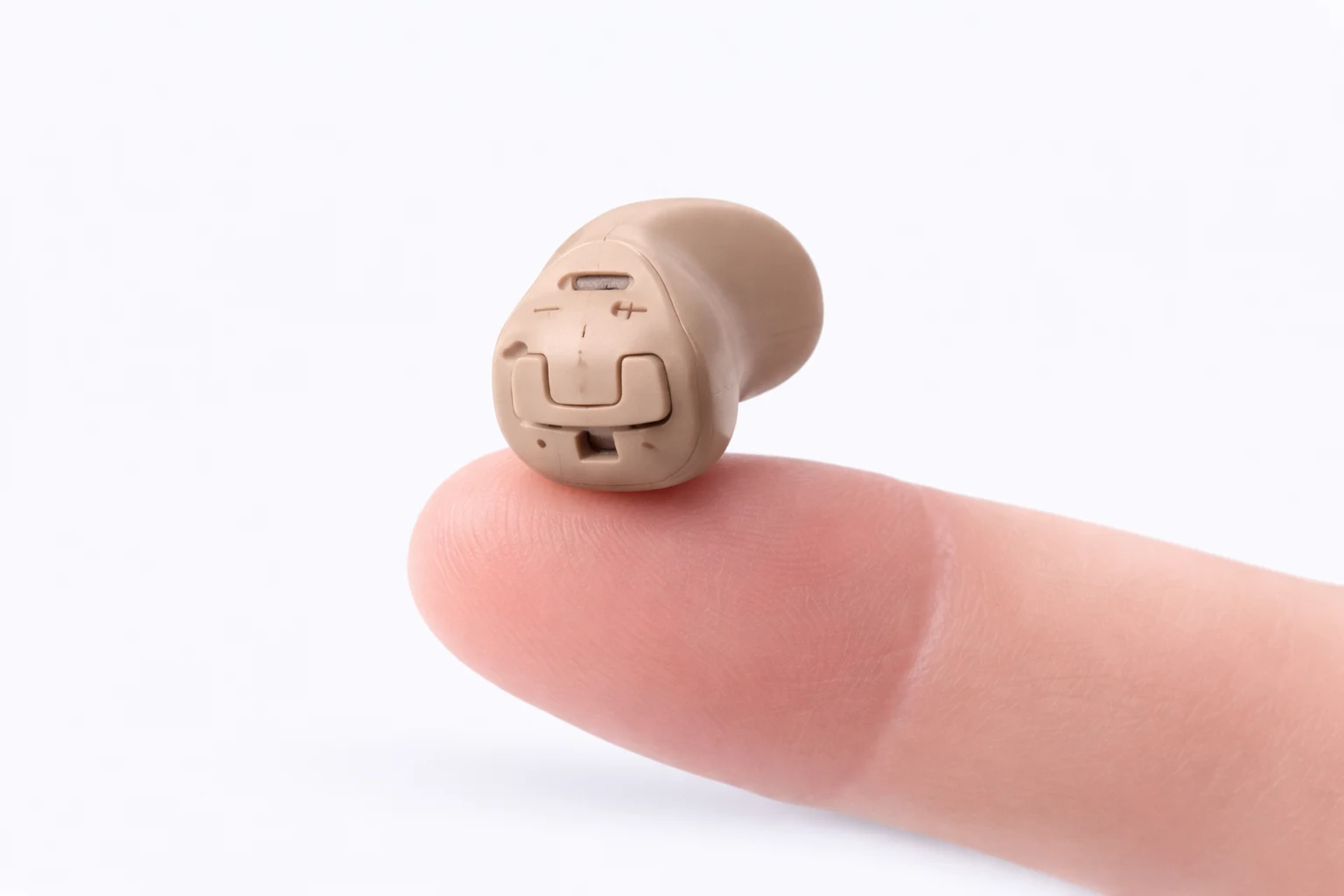
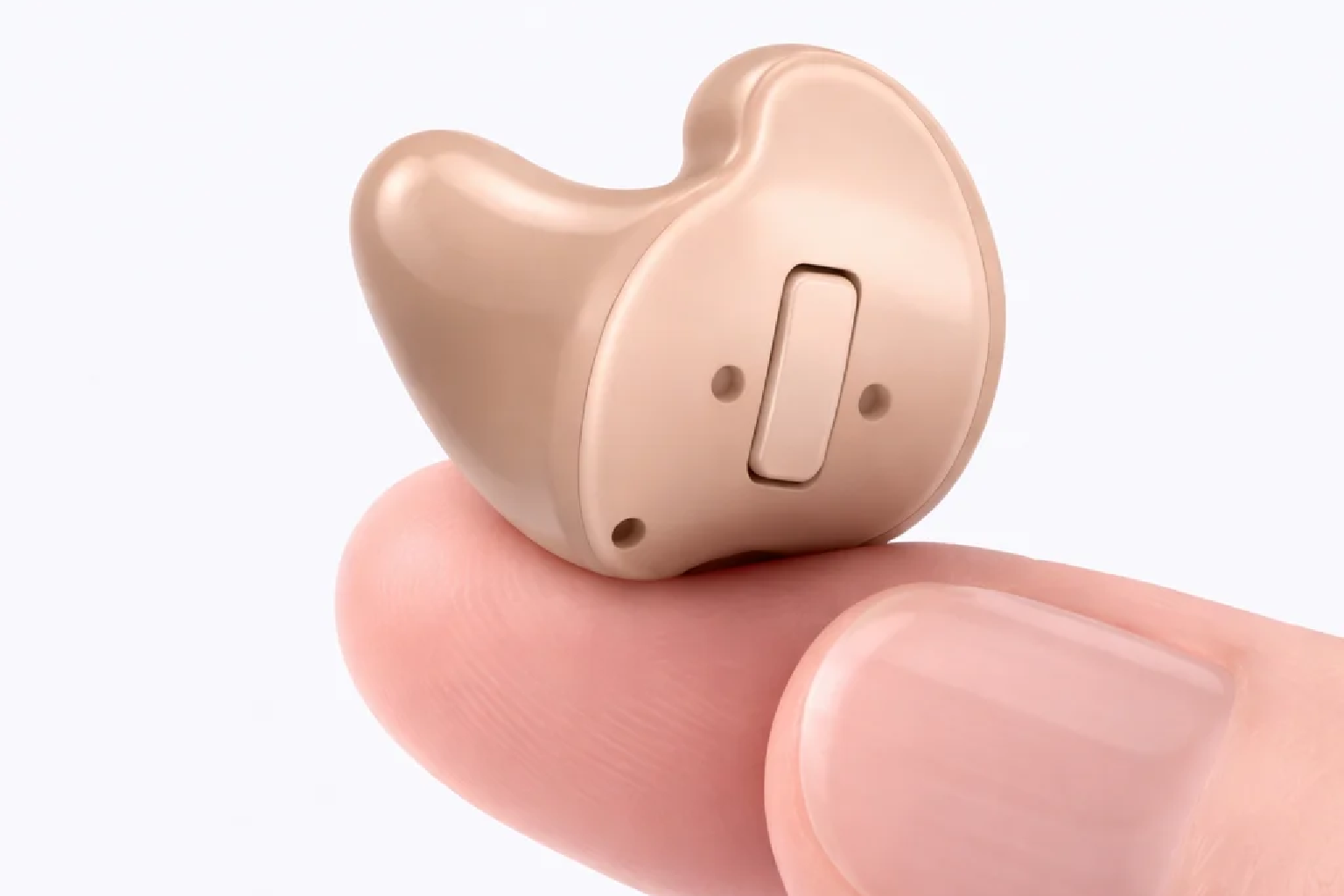
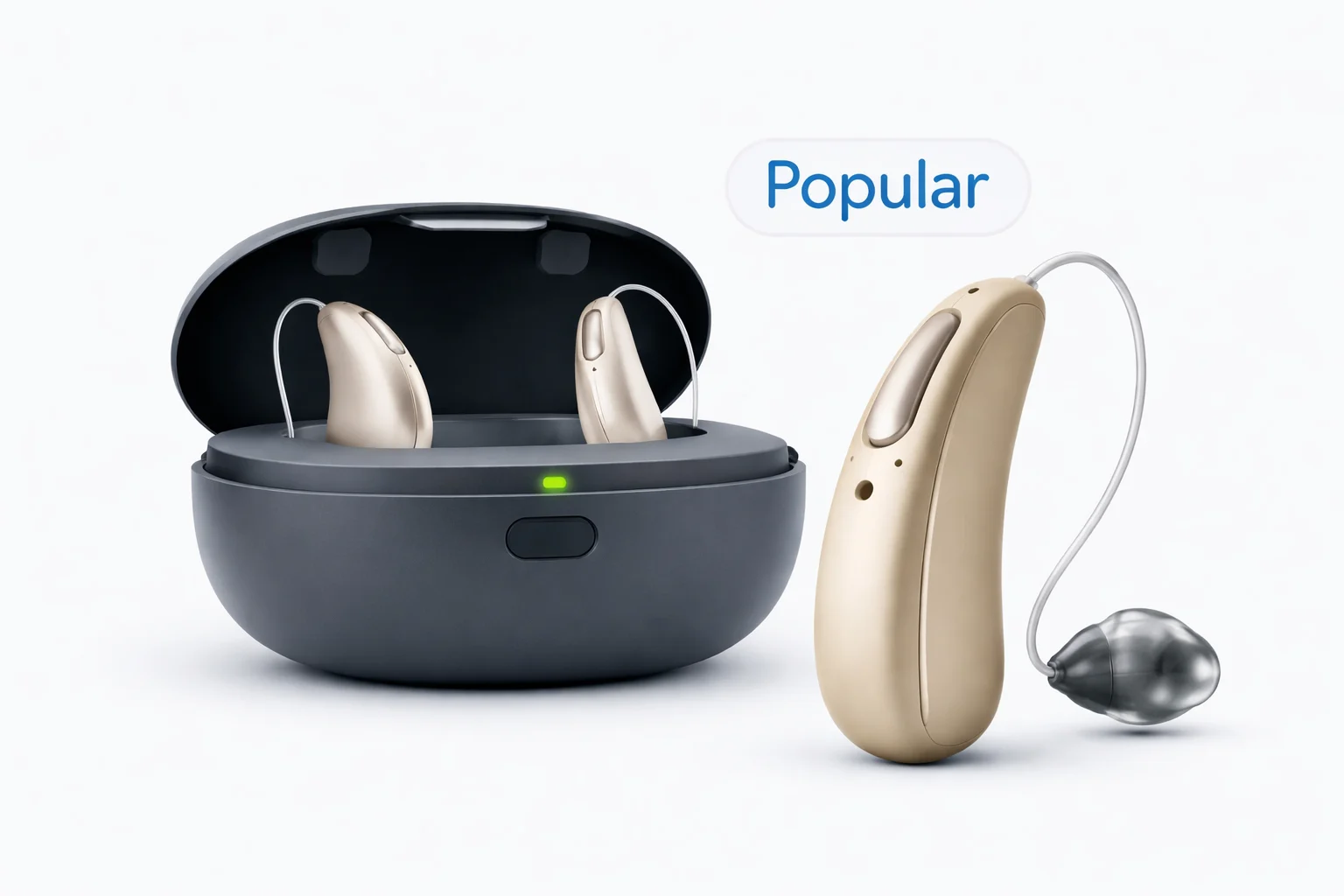
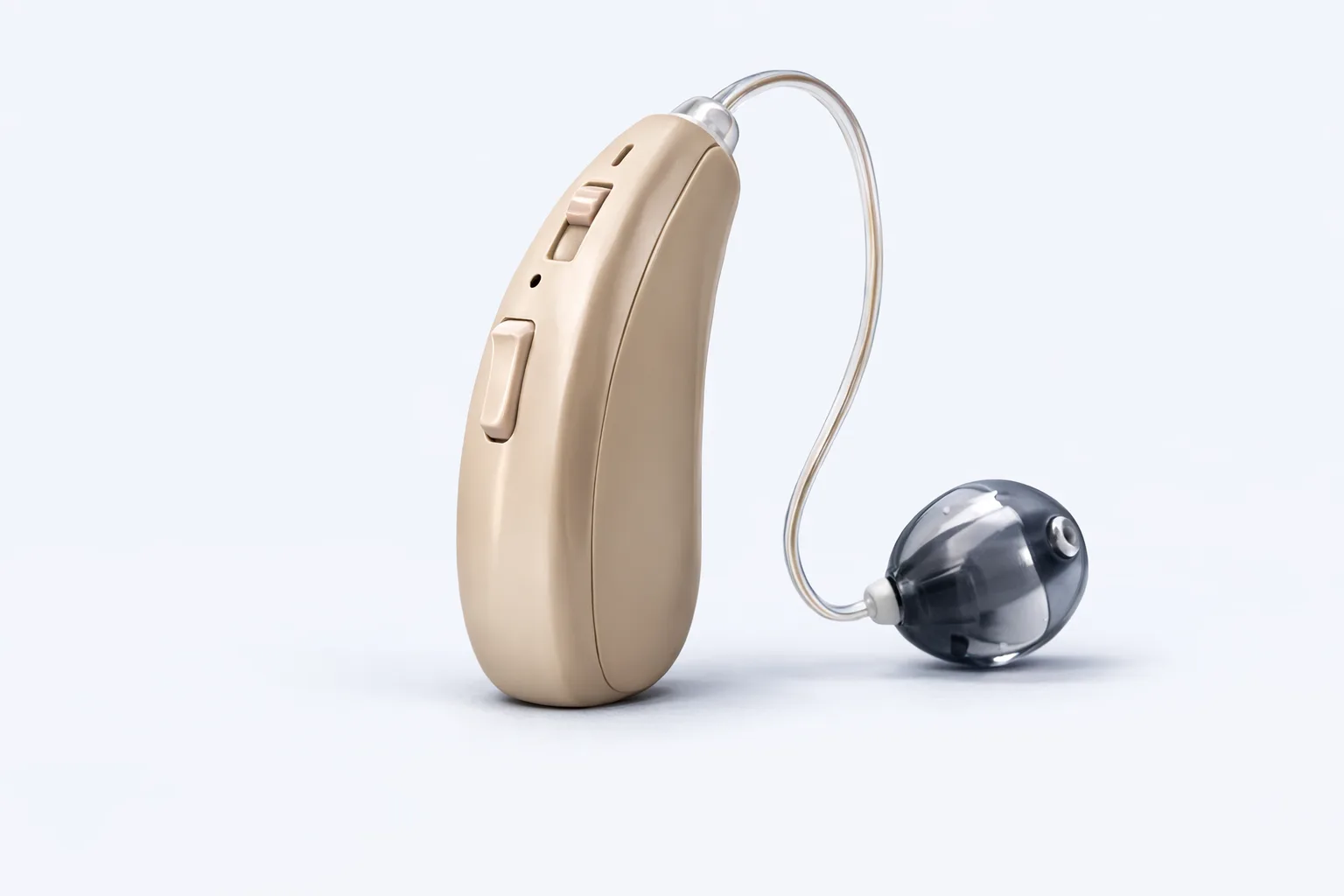
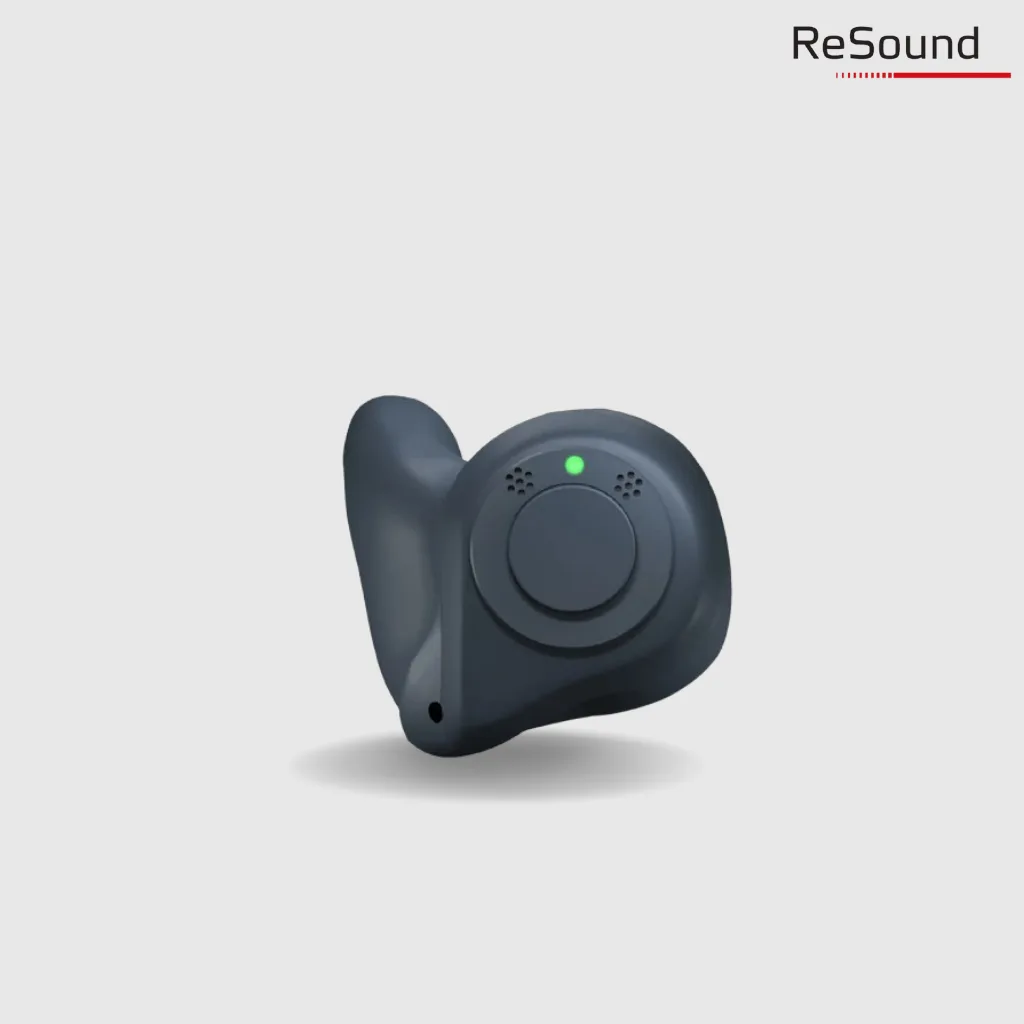
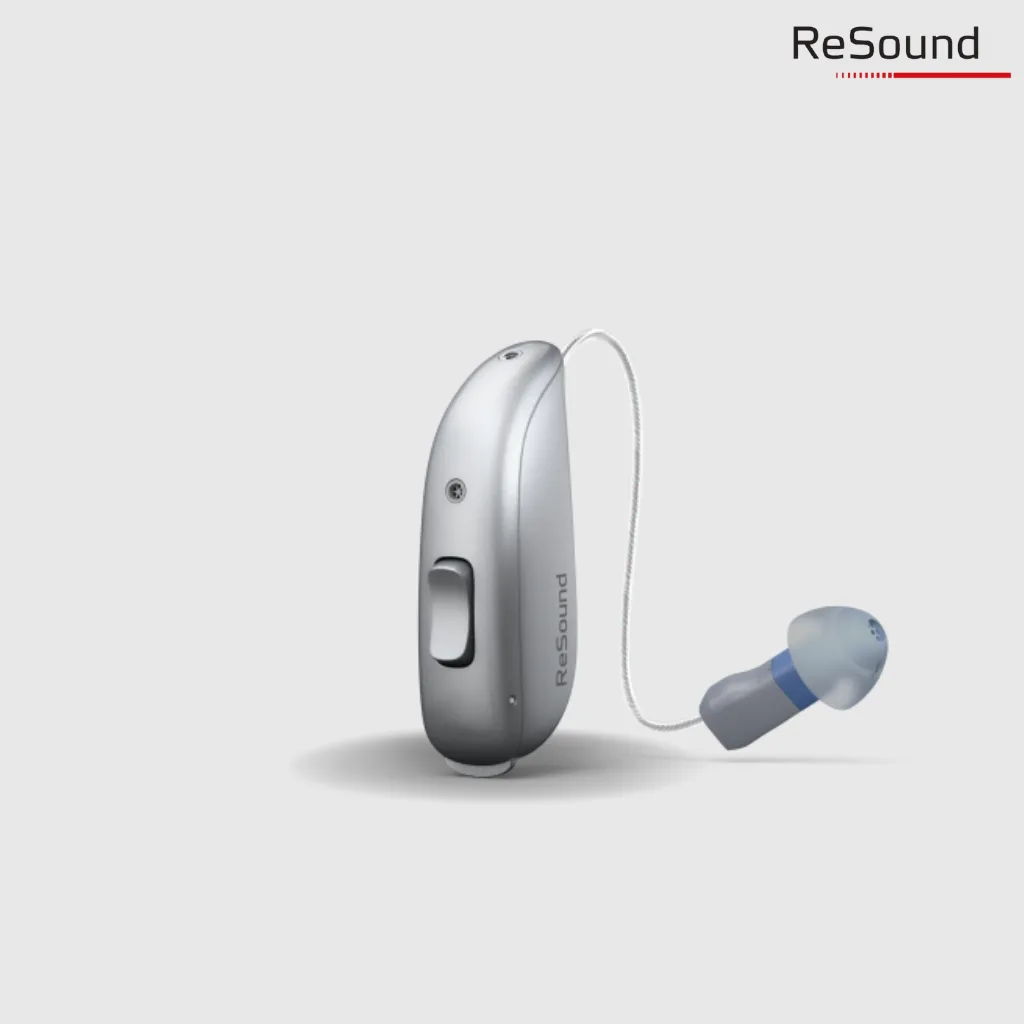
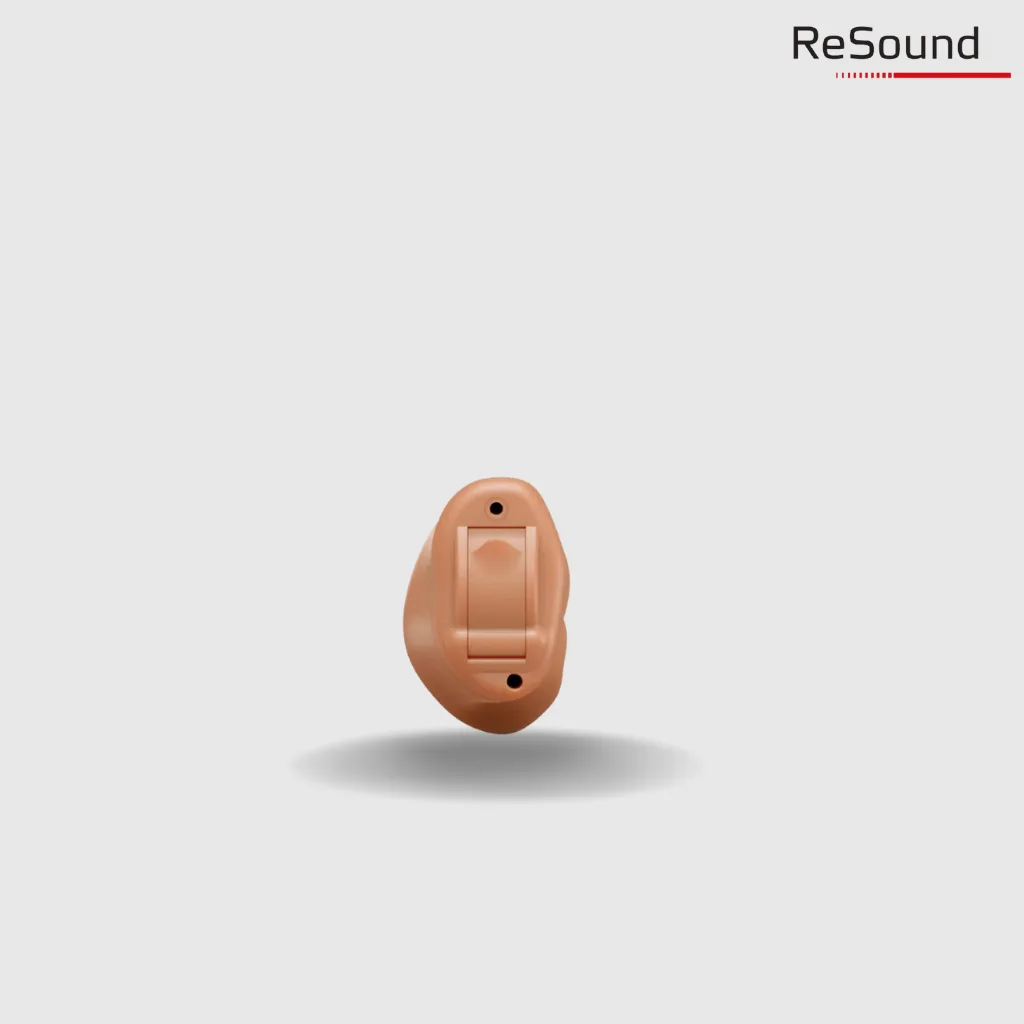
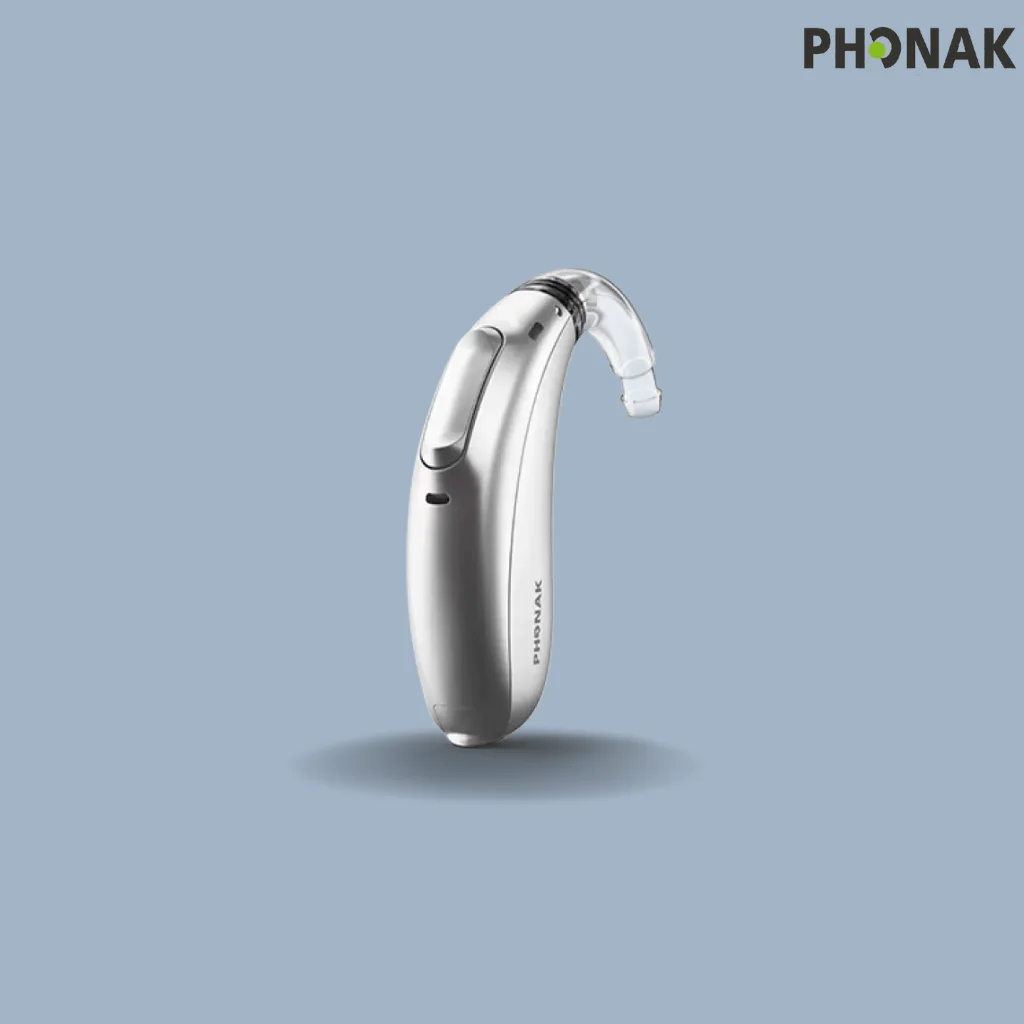
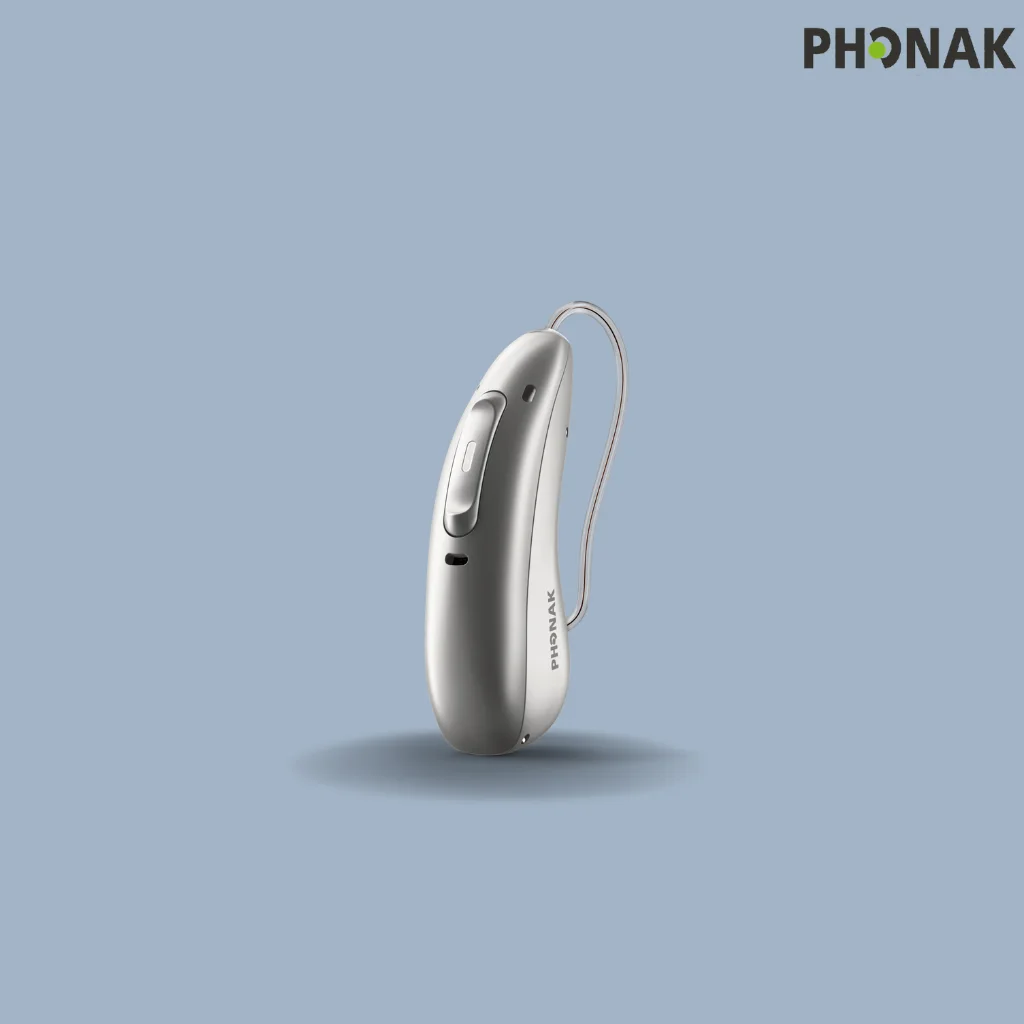
Have you ever heard or experienced a whistling sound from a hearing aid? If not, then it is true that sometimes hearing aids make whistling sounds due to many reasons. Consider this situation similar to our phones, which vibrate when kept close to the radio or television. Hearing aids are one of the most crucial devices for individuals who have lost their hearing ability, and this whistling sound can cause unnecessary disruption in their communication. Adro Hearing Aid, one of the best hearing aid shops in Chennai, is your ideal destination for providing quality hearing aid devices that help you hear effectively without interruption. However, in this blog, we will briefly look into the reasons why some hearing aids produce a whistling sound.
Hearing Aid Feedback:
Before we look into the reasons why some hearing aids produce whistling sounds, let us know what hearing aid feedback is. Hearing aid feedback is how hearing aids work, where the sound enters the ear canal and goes back into your hearing aid’s microphone. Thus, the sound gets amplified and causes the whistling sound in the hearing aid.
So, the caused sound disruption or the feedback can happen in the context while putting the hearing aid in the morning and removing it in the evening or when a person comes in contact with you.
Reasons On Occurance Of Whistling Sound:
It is also to be noted that most hearing aids produced these days come with feedback cancellation, but it does not mean that it safeguards your device to a very extent. Below are the reasons or contexts that make your hearing aids produce a whistling sound. They are,
-
Inappropriate Fitting:
The foremost reason why your hearing aids produce a whistling sound is due to their inappropriate fitting. If the hearing aid is not appropriately fitted to your ear canal, sound can leak out and cause feedback. It is because of the loose earmolds that do not seal your device properly. Hence, to fix it, you need help from the professionals like Adro Hearing Aids, one of the best Siemens hearing aid dealers in Chennai, who can offer you a fitted hearing aid that helps you communicate effectively. -
Volume High:
It is to be noted that keeping the volume of the hearing aid often high causes the sound to enter twice, resulting in feedback or whistling. So, you should keep the volume of the hearing aids at a minimum and avoid the point at which the device causes the feedback. -
Damage:
If you take some hearing aids, they have a tube-like thing which connects to the earmold. These earmolds can harden or shrink because of external pressure, which pulls the earmold, making it unfit for the ear canal. Hence, in this case, you need to replace the damaged tube with the new one from the best hearing aid centre in Chennai. Hence, these are the reasons why some hearing aids produce whistling sounds. Adro Hearing Aids, the best hearing aid shop in the city, is your ideal destination for getting efficient and affordable hearing aid price in Chennai to make your communication effective.
It is also to be noted that pulsatile tinnitus can be accompanied by other symptoms such dizziness, alternated visions, or headaches. These additional symptoms hold a significant role in helping the healthcare professionals in identifying the primary cause and determining the suitable treatment.
Common Causes Of Pulsatile Tinnitus:
Pulsatile tinnitus originates from various conditions such as affecting the blood vessels and surrounding structures. Several common causes include:
Vascular Disorders:
Conditions where blood vessels get affected, such as atherosclerosis, arteriovenous malformations or high blood pressure, can disturb the blood flow resulting in pulsatile tinnitus.
Tumors:
Some non-cancerous growths like vascular neoplasms or glomus tumors can also affect blood flow which triggers pulsatile tinnitus.
Abnormal Ear Structure:
Irregular structured ear like the Eustachian tube or abnormal blood vessels connections, can lead to pulsatile tinnitus.
Medications & Supplements:
Medications such as high-dose aspirin, antibiotics or dietary supplements of specific category, causes pulsatile tinnitus as a side effect.
Treatment Options For Pulsatile Tinnitus:
The objective of treating pulsatile tinnitus is to address the underlying cause whenever feasible. Depending on the specific condition diagnosed, treatment options may involve the following:
Medications:
The healthcare professionals may prescribe medications to manage blood pressure or enhance blood flow suppose if you are affected by vascular disorders.
Surgical Intervention:
Incase of tumor or structural abnormality, surgical procedures are recommended by the professionals to overcome the issues.
Noise Suppression:
White noise machines, masking devices, or hearing aids from the best hearing aid shops in Chennai like Adro Hearing Aid can help by reducing the perception of pulsatile tinnitus sounds.
Lifestyle Changes:
Including stress-reduction techniques, adapting a healthy diet, and avoiding caffeine or loud noises can considerably prevent you from the potential risk of pulsatile tinnitus.
Tinnitus Retraining Therapy (TRT):
TRT is a combination of sound therapy and counseling which help the individuals habituate the tinnitus sounds by reducing impact in their daily life.
Pulsatile tinnitus can be effectively managed through early diagnosis and timely treatment. If you are experiencing pulsatile tinnitus, it is crucial to seek guidance from the best audiologist in Chennai who can provide you a timely evaluation and develop a personalized treatment plan.
Related Blogs
- April 1, 2026
Siemens Hearing Aid Dealers in Chennai
When a person is suffering from a hearing impairment, Siemens / Signia hearing devices will provide the person with a.
Read More
- March 31, 2026
The Benefits of Directional Microphones in.
Many people with hearing impairments have the opportunity to continue with their regular activities because of hearing aids, which have.
Read More